Source Medical Drying Cabinet for Hospital Labs and Clinics
Explore 29 options for the medical drying cabinet, featuring stainless steel construction and PLC control systems. Compare specifications like 300L and 500L capacities, LCD interfaces, and sterilization recording functions to find the right equipment for your facility; compare the available evidence and request quotations based on your requirements.
Key considerations
Products List




Comprehensive Sourcing Guide
Medical Drying Cabinet Sourcing Guide
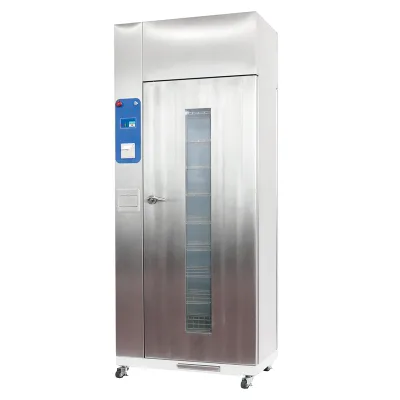
Procuring a medical drying cabinet requires careful evaluation of chamber capacity and material integrity to ensure compliance with hospital sterilization workflows. Buyers must verify that the unit features a fully 304 stainless steel construction, which provides the necessary corrosion resistance for repeated exposure to high temperatures and humidity. The observed market data indicates a standard capacity of 500 liters, though 300-liter variants exist, necessitating a precise assessment of the facility's daily throughput requirements before finalizing the order.
Operational efficiency depends heavily on the control interface and data logging capabilities integrated into the system. Modern units typically employ an industrial touch screen paired with a Mitsubishi PLC to manage the heating, drying, and cooling workflow with precision. It is critical to confirm that the device includes a thermal printer for immediate sterilization information recording, ensuring that every cycle generates a verifiable paper trail for regulatory audits and quality assurance protocols.
Product Scope and Observed Listing Signals
The current market listings for medical drying cabinets reveal a distinct range of technical configurations, primarily centered on the SQ-G series models. Buyers should note that while the standard model is designated as SQ-G, specific variants like the SQ-G500 and Sq-G300 offer different chamber dimensions and capacities. The observed product attributes consistently highlight a dual-door mechanical design, which facilitates the loading of large medical instruments while maintaining the internal thermal environment required for effective drying.
Commercial signals indicate a flexible procurement environment where customization is available to meet specific institutional needs. The minimum order quantity is frequently listed as a single set, allowing hospitals to pilot the equipment without committing to bulk inventory. However, the packaging specifications vary between standard export wooden crates and generic wooden cases, requiring buyers to explicitly confirm the protective measures included in the shipping terms to prevent transit damage to the sensitive electronic components.
Technical Specifications to Verify
Technical due diligence must focus on the electrical requirements and temperature control mechanisms to ensure compatibility with existing facility infrastructure. The observed rated power for these units is typically 4.5 kilowatts, operating at a standard electric tension of 380 volts, which necessitates a dedicated industrial power supply. Buyers must verify that the ambient temperature range of 5℃ to 35℃ and atmospheric pressure of 80kpa to 106kpa align with the specific environmental conditions of their sterilization department to prevent operational failures.
The internal architecture of the drying chamber is equally critical, with a standard configuration featuring nine interlayers to maximize storage density. The temperature sensor system usually relies on PT100 platinum resistance elements to provide high-accuracy readings, supported by an ultra-high temperature alarm that triggers across six distinct alert types. It is essential to confirm that the data storage capacity supports at least 300 cycles, ensuring that historical performance data remains accessible for long-term maintenance analysis and compliance reporting.
Compliance and Safety Documentation
Regulatory compliance for medical drying cabinets involves verifying the instrument classification and sterilization class to ensure they meet local health authority standards. The observed listings identify these devices as Class I instruments with a sterilization class of n, which defines their intended use for drying non-sterile medical devices rather than performing the sterilization process itself. Buyers must request the specific technical file that demonstrates how the unit adheres to these classifications and supports the intended workflow of heating, drying, and cooling.
Safety documentation should explicitly detail the alarm systems and control interface language options to prevent operational errors in diverse hospital settings. The presence of an industrial touch screen often supports multiple languages, including Chinese and English, which is vital for international procurement teams and local staff. Procurement officers must ensure that the supplier provides a comprehensive manual detailing the six alarm types and the specific procedures for responding to ultra-high temperature events to maintain patient safety and equipment longevity.
Cost Drivers and Commercial Terms
The total cost of ownership for a medical drying cabinet is significantly influenced by the material grade and the complexity of the control system. Units constructed from fully 304 stainless steel with a Mitsubishi PLC and thermal printer command a higher price point compared to basic models, reflecting the durability and advanced data logging capabilities. Buyers should analyze the weight of the unit, which is observed at 253 kilograms, as this impacts shipping logistics and the structural requirements of the installation site.
Commercial terms often include specific after-sale service provisions, such as online technical support, which are crucial for minimizing downtime in critical medical environments. While the minimum order quantity is low, the standard export wooden crate packaging adds to the overall logistics cost and must be factored into the budget. Procurement teams should negotiate clear terms regarding the warranty period and the availability of spare parts, ensuring that the supplier can support the equipment throughout its operational lifecycle without excessive additional fees.
Supplier Qualification and Quality Control
Supplier qualification requires a rigorous review of the manufacturing origin and the specific quality control measures implemented during production. The observed data indicates that these units originate from Henan, China, a region known for medical device manufacturing, but buyers must verify the specific factory's quality management systems. It is advisable to request evidence of the production process, including how the chamber material is welded and treated to ensure the integrity of the SS304 construction.
Quality control checks should extend to the final assembly and testing of the control interface and safety alarms before shipment. Buyers must confirm that the supplier conducts functional tests on the thermal printer and the data storage system to ensure the 300-cycle recording capability is fully operational. Establishing a clear communication channel for post-delivery support is essential, as the complexity of the industrial touch screen and PLC system may require specialized training for the hospital's biomedical engineering staff.
Long-Term Procurement Checks
Long-term procurement success depends on establishing a robust maintenance schedule and verifying the availability of consumables like thermal printer paper. The drying modes, which include high, medium, low, and custom settings, must be regularly calibrated to ensure consistent performance across different instrument loads. Buyers should implement a protocol for periodic inspection of the PT100 temperature sensors and the door seals to prevent heat loss and maintain the efficiency of the drying cycle.
Future-proofing the investment involves monitoring the software and firmware updates provided by the manufacturer for the industrial touch screen interface. As medical regulations evolve, the ability to update the data storage and reporting features of the cabinet becomes increasingly important for compliance. Procurement teams should maintain a relationship with the supplier to ensure access to the latest technical documentation and to stay informed about any changes in the standard specifications or material requirements for these critical medical devices.
FAQs
What is the chamber capacity and material of the medical drying cabinet?
The medical drying cabinet features a 500L chamber capacity constructed from fully 304 stainless steel. This material ensures durability and hygiene for hospital medical devices. The interior includes nine floors for organized storage. The chamber is designed to withstand high temperatures while maintaining a sterile environment for sensitive instruments during the drying process.
How does the control system operate the drying modes?
The system utilizes a Mitsubishi PLC combined with an industrial touch screen for precise control. It offers four distinct drying modes: high, medium, low, and custom. Users can select the appropriate mode based on instrument requirements. The interface supports both Chinese and English languages, allowing for easy navigation and configuration of the heating, drying, and cooling workflow.
Can the medical drying cabinet record and print sterilization data?
Yes, the unit includes a thermal printer for immediate data output. It supports sterilization information recording and printing for compliance tracking. The system can store up to 300 cycles of data internally. This feature ensures that all drying parameters and results are documented accurately, providing a reliable audit trail for medical facility quality assurance protocols.
What safety alarms are included in the medical drying cabinet?
The cabinet is equipped with six types of alarms to ensure operational safety. These include an ultra-high temperature alarm to prevent damage to instruments. The system monitors critical parameters continuously to alert users of any deviations. These safety features help maintain the integrity of the drying process and protect valuable medical devices from potential thermal or operational hazards.
What are the power requirements and electrical specifications?
The medical drying cabinet operates at an electric tension of 380V with a rated power of 4.5Kw. It requires a stable power supply to function correctly within the specified ambient temperature range of 5℃ to 35℃. The unit weighs 253Kg and is packaged in a standard export wooden crate for safe transportation and installation in medical facilities.
Is customization available for the medical drying cabinet specifications?
Customization is available to meet specific facility requirements. The product supports standard or custom specifications for chamber capacity and dimensions. Users can adjust drying modes and other parameters to suit their needs. This flexibility allows hospitals to integrate the cabinet into their existing workflows effectively, ensuring optimal performance for various types of medical instruments and drying protocols.